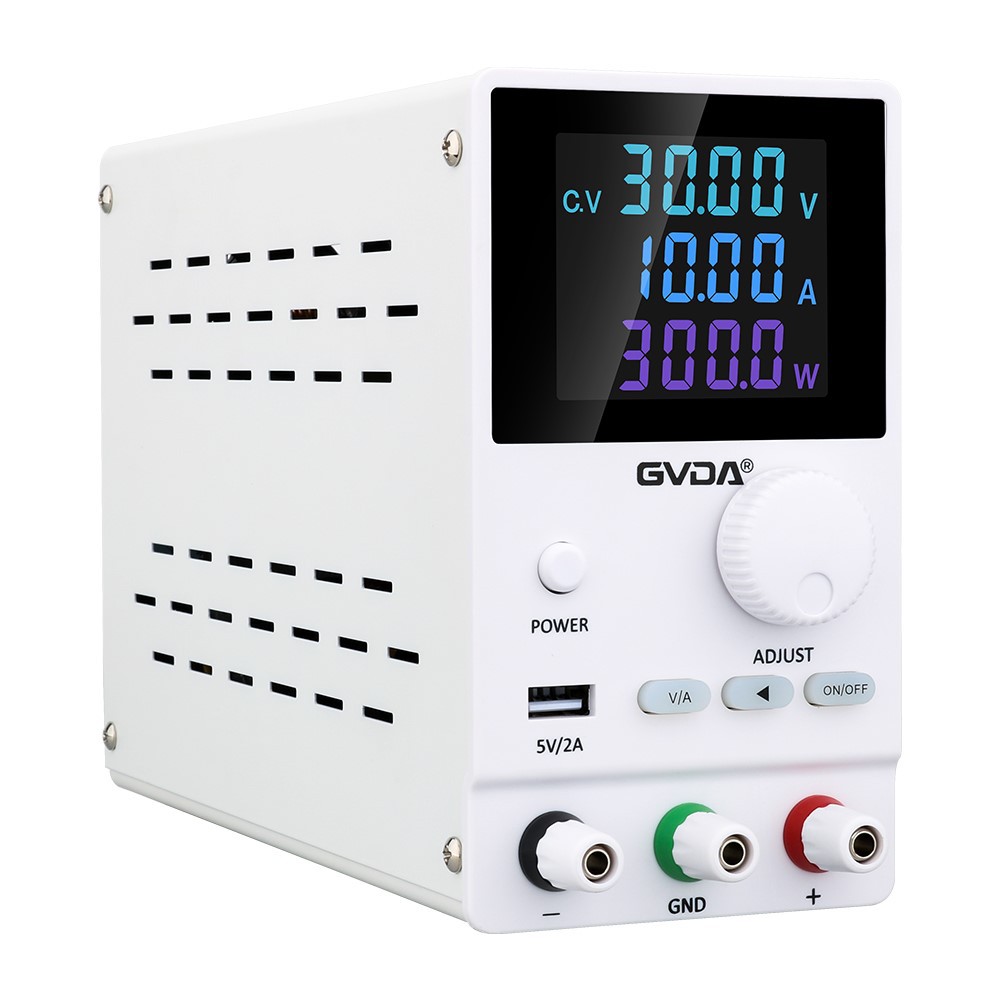
तीन प्रकार सुरक्षा के लिए डीसी स्विचिंग बिजली आपूर्ति
आधारित ऑन द द डीसी स्विचिंग पावर सप्लाई और द वास्तविक इलेक्ट्रिकल कंडीशंस, in order to make the DC स्विचिंग पावर सप्लाई वर्क सुरक्षित और मज़बूती से इन हर्ष वातावरण और अचानक विफलताएं, यह पेपर डिज़ाइन a विविधता of protection सर्किट अफ़!Newing to अलग स्थितियाँ.
1. ओवरकरंट प्रोटेक्शन सर्किट
In the DC switching power supply circuit, in order to protect the regulator tube from being burned when the circuit is short-circuited and the current increases. The basic method is that when the output current exceeds a certain value, the adjustment tube is in a reverse biased state, thereby cutting off and automatically cutting off the circuit current. As shown in Figure 1, the overcurrent protection circuit consists of a triode BG2 and voltage dividing resistors R4 and R5. When the circuit works normally, the base potential of BG2 is higher than the emitter potential through the voltage action of R4 and R5, and the emitter junction bears the reverse voltage. So BG2 is in cut-off state (equivalent to open circuit), which has no effect on the voltage regulator circuit. When the circuit is short-circuited, the output voltage is zero, and the emitter of BG2 is equivalent to grounding, then BG2 is in a saturated conduction state (equivalent to a short circuit), so that the base and emitter of the adjustment tube BG1 are close to short-circuit, and are in a cut-off state. Cut off the circuit current to achieve the purpose of protection.
2. ओवरवोल्टेज प्रोटेक्शन सर्किट
The overvoltage protection of switching regulators in DC switching power supplies includes input overvoltage protection and output overvoltage protection. If the voltage of the unregulated DC power supply (such as battery and rectifier) used by the switching voltage regulator is too high, it will cause the switching voltage regulator to fail to work normally, and even damage the internal devices. Therefore, it is necessary to use input overvoltage in the switching power supply protect the circuit. Figure 3 is a protection circuit composed of transistors and relays. In this circuit, when the voltage of the input DC power supply is higher than the breakdown voltage value of the Zener diode, the Zener diode breaks down, and a current flows through the resistor R, so that The transistor T is turned on, the relay operates, the normally closed contact is opened, and the input is cut off. The polarity protection circuit of the input power supply can be combined with the input overvoltage protection to form a polarity protection identification and overvoltage protection circuit.
3. Soft start protection circuit
The circuit of the switching regulated power supply is relatively complicated, and the input terminal of the switching regulator is generally connected with an input filter with a small inductance and a large capacitance. At the moment of power-on, the filter capacitor will flow a large surge current, which can be several times the normal input current. Such a large inrush current can melt the contacts of a normal power switch or the contacts of a relay and blow the input fuse. In addition, inrush current can also damage the capacitor, shortening its life and premature failure. For this reason, a current-limiting resistor should be connected when starting up, and the capacitor will be charged through this current-limiting resistor. In order not to cause the current limiting resistor to consume too much power, so as to affect the normal operation of the switching regulator, after the start-up transient process is over, a relay is used to automatically short it, so that the DC power supply directly supplies power to the switching regulator. , This circuit is called the "soft start" circuit of the DC switching power supply.